February 27, 2026, 10:15 pm



Transparency International Bangladesh (TIB) has expressed deep concern over the appointment of the new governor of Bangladesh Bank. The organization said, “To what extent will the newly appointed governor be able to discharge his duties independently, free from the influence of business lobby, indebted and defaulting circles?”
This information was announced in a statement on Thursday (February 26).
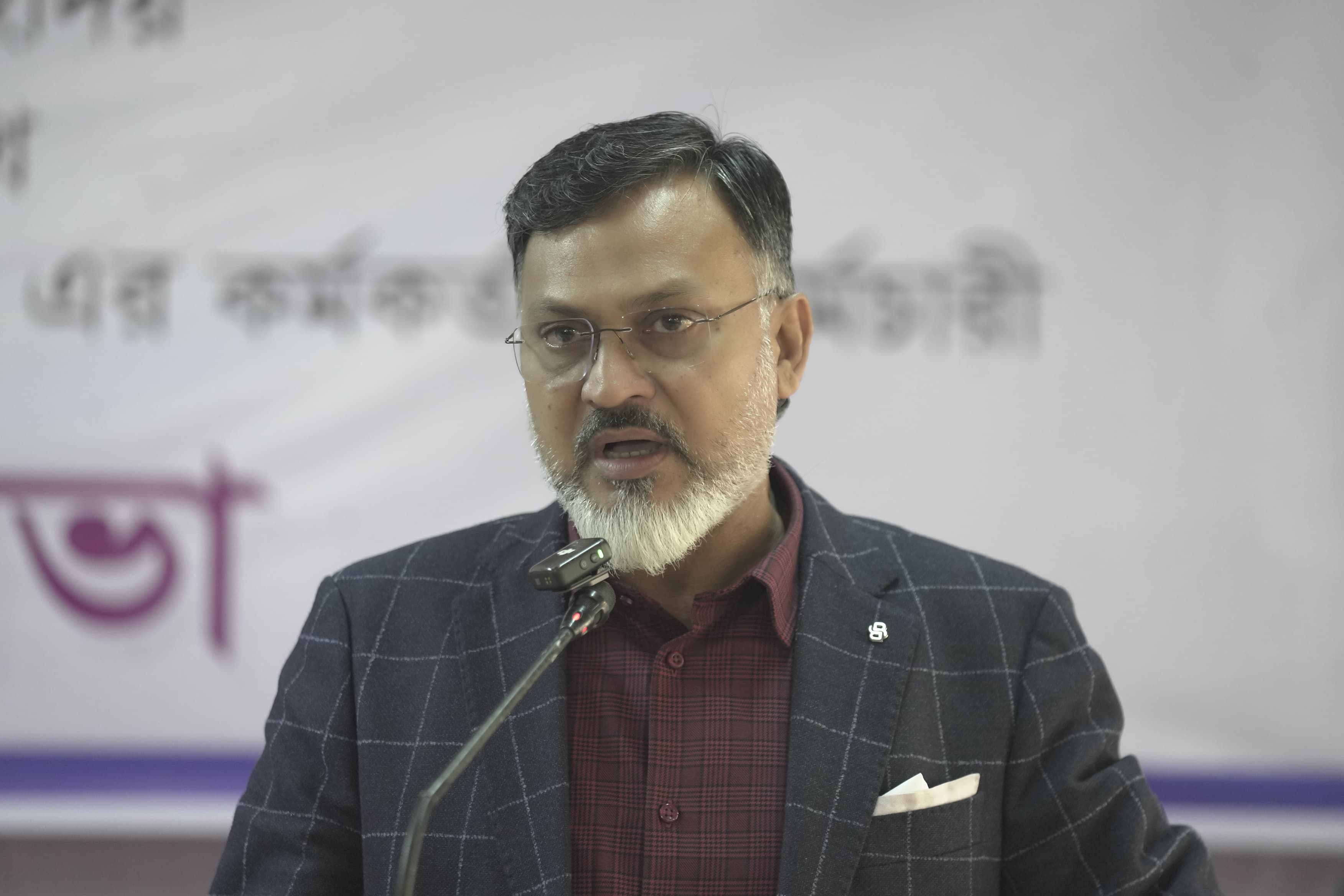
TIB Executive Director Dr. Iftekharuzzaman said, ‘The new governor’s experience in the banking sector is mainly related to debt, default and later the process of loan rescheduling under special consideration. Besides, he has played a role as part of influential business lobbies like the readymade garment industry, housing sector, ATAB and Dhaka Chamber.’
Dr. Iftekharuzzaman said, ‘To what extent will the hastily appointed new governor be able to fulfill the expectations of restoring the banking sector that fell into a ditch during the authoritarian dictatorship and to what extent will he be able to fulfill his duties independently, free from the influence of business lobbyists, indebted and defaulting circles?’
Iftekharuzzaman mentioned that about 60 percent of the members of parliament and 62 percent of the cabinet are mainly engaged in business. In addition, about half of the members of parliament are in debt. In this context, he urged the government to consider how risky it would be for the banking sector to appoint a debt-ridden businessman, who has experience in loan rescheduling and who is a beneficiary of policy capture in the ready-made garment industry and housing sectors, as the governor of the central bank.
TIB says that for the first time in the country’s history, a businessman has been appointed to the top post of the central bank. The government should also consider what message this sends in the national and international arena.
Dr. Iftekharuzzaman said, “The question of how thoughtful a decision is to give the responsibility of the central bank to a member of the election management committee of the newly ruling party is also being raised. He claimed that such an appointment is contradictory to the election pledge to ensure good governance, discipline and transparency in the banking sector.”
According to TIB, in the past, the banking sector has been in a fragile state due to party considerations and the influence of vested interests; defaulted loans and money laundering have increased. In the current economic reality, when it is important to attract foreign investment and establish good governance in the financial sector, there are doubts about how effective this appointment will be. How independent and impartial the new governor will be in controlling inflation, ensuring financial sector stability, and taking punitive measures against weak banks.
Among the public aspirations for positive change in various sectors that have emerged since the 24th popular uprising, the expectation of an independent central bank is notable.
TIB believes that it remains to be seen how independently the central bank, under the leadership of the newly appointed governor, will be able to perform its duties beyond the interests of the government and influential businessmen.