April 6, 2026, 10:13 am

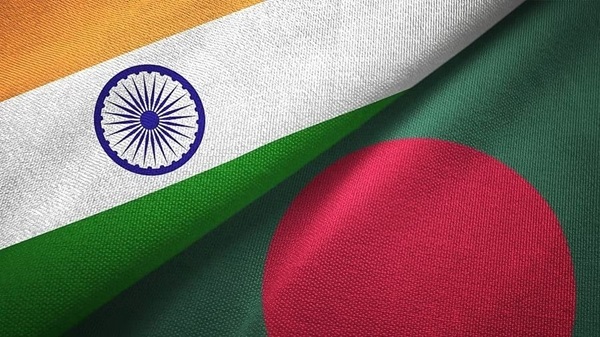

When diplomacy is the only way to resolve any crisis, whether political, economic or otherwise, tensions are growing between Dhaka and Delhi. There are also attacks on visa centers or embassy-related facilities. International law and relations analysts say that no matter how intense the anger or objection, the crisis must be resolved through diplomacy. On the other hand, Indian analysts say that the new government’s approach could bring warmth to the cold Dhaka-Delhi relationship.
Both the High Commissions in Bangladesh and India are the targets of the protest program. The ambassadors are being summoned and counter-summoned, statements are being made and counter-statements are being made. The situation has reached such a level that the protesters have even reached the Bangladesh High Commission premises in Delhi, and the visa center in Siliguri has been vandalized.
After the fall of Sheikh Hasina in the face of a mass uprising last year, the Bangladesh Assistant High Commission in Agartala was also attacked in December, although Indian authorities expressed regret over the incident. The discussion is about what kind of legal protections are in place to ensure the security of embassies located in different countries?
The answer to this can be found in the 1961 Vienna Convention on Diplomatic Relations. Almost all the countries of the United Nations are signatories to it. Bangladesh signed this international agreement in 1965, 13 years after India signed the convention. Article 22 of which talks about the security of missions and mission premises.
It is said here that the premises of the mission shall be inviolable. Just as no one may enter there without the permission of the head of the mission, the host country shall have a special responsibility to ensure that the dignity of the foreign missions is not impaired or that no intrusion or damage is caused to them. According to sub-section 3 of article 22— The premises, furniture and other property of the mission, including any kind of vehicle, are immune from search, seizure or requisition.
International law expert Kazi Omar Faisal said, “This responsibility belongs to both. Just as Bangladesh has the responsibility to protect the Indian High Commission that we have. Similarly, India also has the responsibility to protect the Bangladesh High Commission. This responsibility is paramount, there are no exceptions to it. If you think that any of your diplomats is working against the interests of the country, you have to find a remedy for it. We have seen deviations sometimes, what happened in Agartala, what happened in our Kolkata.”
But what is the solution to what is happening now? International law and relations analysts say that whatever the political anger and resentment, the solution must be found in diplomacy.
Omar Faisal said, “I think Bangladesh-India diplomatic relations have not yet reached the stage where we will sever ties. Why are Bangladesh-India relations deteriorating? Are Bangladeshi criminals sheltering in India behind this? Are they responsible or not?”
International analyst Smarta Sharma said, “You cannot replace India with any country. There is a linguistic aspect, people speak Bengali and understand the language. Travel is cheap. This relationship is a very secure relationship, whether in terms of security or economy.”
This Indian analyst believes that the new government has the opportunity to bring warmth to the cold relations between the two sides. Although there are conditions for an acceptable election, he believes.
Smita Sharma said, “It is very important that there be fair and impartial elections there. Otherwise, the situation that you are blaming on Sheikh Hasina will happen again. That she is not holding inclusive elections. Now we need to have inclusive elections there. Let an elected government come. Then there will be a new attempt between Delhi and Dhaka on how to stabilize this relationship.”
Analysts say that only a relationship that respects mutual sovereignty can truly bring diplomatic stability and ensure the desired good relations between Bangladesh and India.