January 14, 2026, 2:59 pm



Chief Adviser Professor Muhammad Yunus has firmly reiterated that Bangladesh’s general elections and referendum will be held as scheduled on February 12, dismissing speculation and misinformation surrounding the polls.
“No matter who says what, elections will be held on February 12—not a day before, not a day after,” Professor Yunus said while meeting two former senior United States diplomats at the State Guest House Jamuna on Tuesday night.
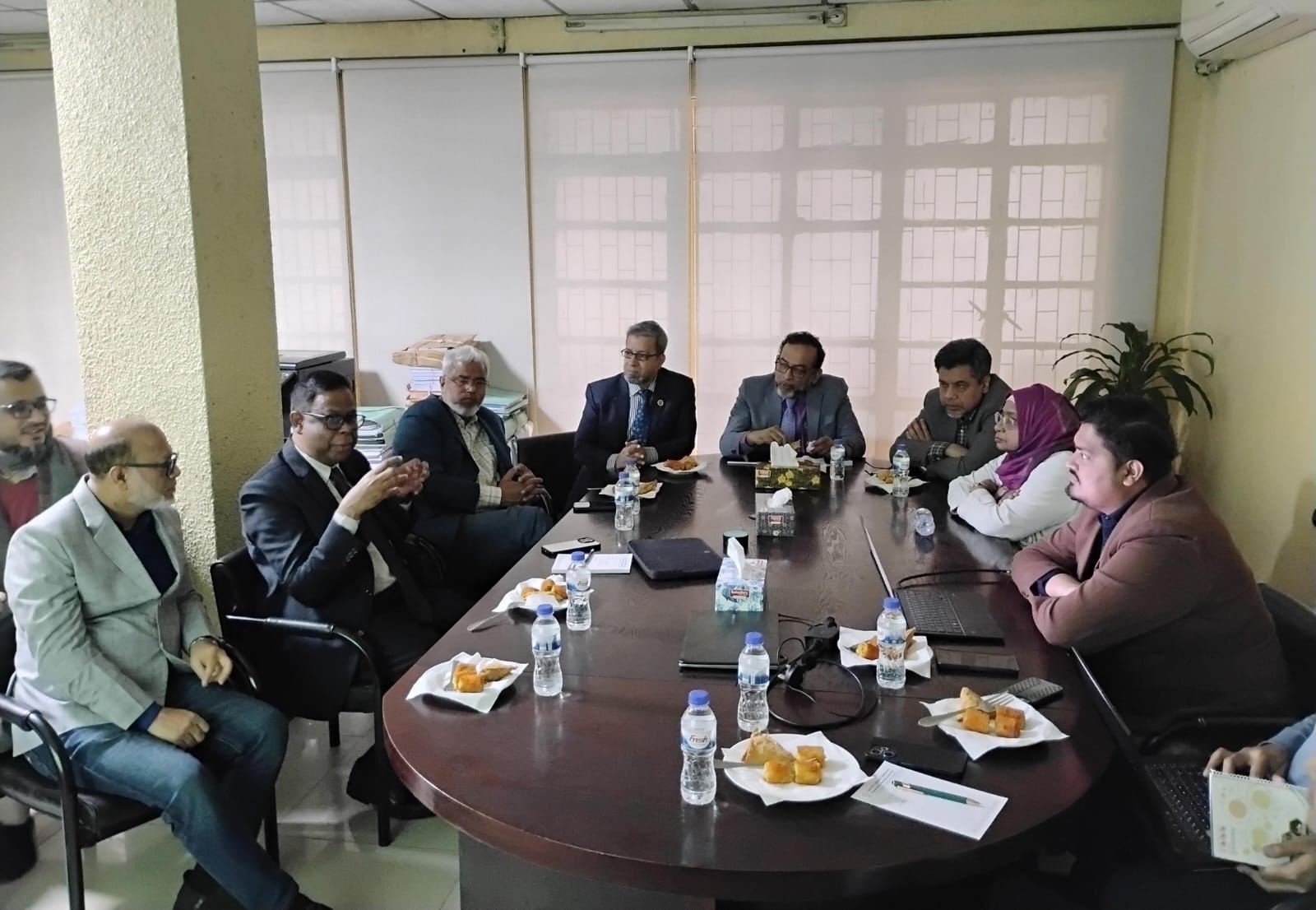
The visiting diplomats—Albert Gombis, former Acting Under Secretary of State, and Morse Tan, former US Ambassador-at-Large—are in Bangladesh ahead of the crucial elections. The meeting, confirmed by the Chief Adviser’s Press Wing, lasted about an hour and covered a wide range of political and governance issues.
Professor Yunus said the interim government remains fully committed to handing over power to a democratically elected government immediately after the polls. He assured that the elections would be free, fair, peaceful, and festive, with the interim administration maintaining complete neutrality to ensure a level playing field for all political parties.
Fake News a Major Challenge
Addressing concerns over misinformation, the Chief Adviser said a “flood of fake news” was being deliberately spread to confuse voters and undermine confidence in the electoral process.
“Supporters of the former autocratic regime are spreading misinformation, but people are becoming more alert. Increasingly, they can identify AI-generated fake videos,” he said.
Former Under Secretary Albert Gombis echoed the concern, describing fake news as “one of the main enemies of democracy worldwide” and stressing the importance of countering disinformation.
Referendum and July Charter
Professor Yunus revealed that the interim government is campaigning for a ‘Yes’ vote in the upcoming referendum, saying the July Charter would pave the way for a new era of democratic governance and permanently close the door on future autocracy.
Discussions also touched on the July Uprising, the rise of youth-led movements, the Rohingya crisis, and the prospects for national reconciliation in post-July Bangladesh.
Truth and Reconciliation ‘Not Possible Now’
When asked about the possibility of a truth and reconciliation process, similar to post-apartheid South Africa, Professor Yunus said the time was not yet right.
“As a friend of Nelson Mandela, I closely followed South Africa’s process,” he said. “But truth and reconciliation require admission of wrongdoing, repentance, and remorse. That atmosphere does not exist in Bangladesh right now.”
He accused the former regime of remaining in complete denial despite what he described as “stacks and stacks of evidence” of serious crimes during the July Uprising.
“They even claim the young people killed were terrorists. There is no remorse, no repentance—only denial,” he added.
Both US diplomats praised Professor Yunus for his leadership in steering Bangladesh through a critical transitional period over the past one and a half years.
SDG Coordinator and Senior Secretary Lamiya Morshed was also present at the meeting.