February 26, 2026, 12:36 am



The formal journey of the National Parliament of Bangladesh has begun with the swearing-in of the new Prime Minister, Ministers, State Ministers and Members of Parliament. After the BNP government started its journey, there are various discussions about who will be the President or when during this government’s tenure.
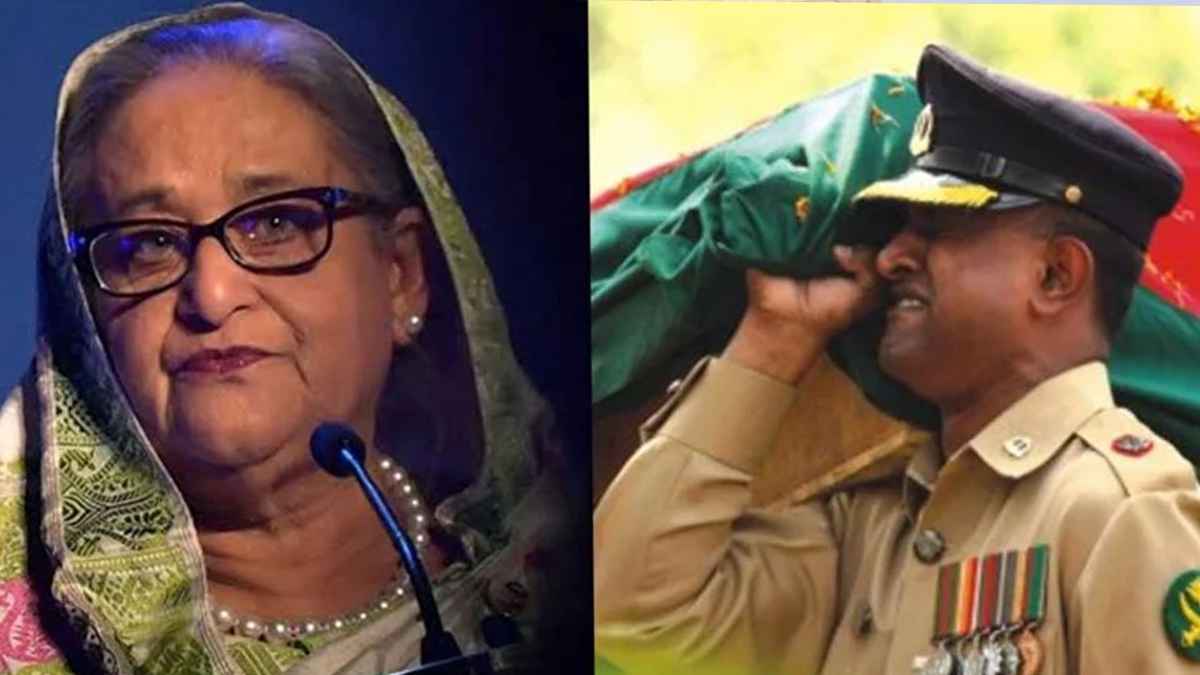
Md. Shahabuddin took over as President during the Sheikh Hasina government.
After the fall of Sheikh Hasina’s government in the face of a mass uprising, the student movement demanded the resignation of the President. However, the BNP had been objecting to the demand to remove Mr. Shahabuddin from the post of President from the beginning. In the end, the newly elected government led by Tarique Rahman took oath from him.
President Md. Shahabuddin took office during the tenure of the ousted Sheikh Hasina government.
His term ends in April 2028. As a result, there is no legal opportunity to elect a new president while he is in office. Therefore, constitutional analysts say that no one can be sworn in as the new president unless he resigns or is impeached.
Lawyer Kazi Zahed Iqbal told BBC Bangla that the constitution itself states how the post of president will become vacant.
Therefore, the new parliament will begin its work on this issue only after the post becomes vacant.
The power of the President is very limited in the existing constitution of Bangladesh. That is why the July Charter of State Reforms has also brought several proposals to bring about a balance of power between the Prime Minister and the President. If those proposals are implemented, the power of the President will increase considerably.
The post of President becomes vacant for three reasons:
The highest constitutional position in Bangladesh is the President.
According to the constitution, a president’s term is five years. He can serve a maximum of two terms. Md. Shahabuddin, who took office in April 2023 during the ousted Sheikh Hasina government, is scheduled to end his term in April 2028.
Just as Md. Shahabuddin administered the oath of office to the interim government after the Awami League government was overthrown in the 2024 mass uprising, he also administered the oath of office to the BNP government led by Tarique Rahman.
Although leaders and activists of the anti-discrimination student movement staged a strong protest demanding the resignation of the President in October 2024, in the end, he was neither removed nor did he resign.
However, in a WhatsApp interview with Reuters in December, President Md. Shahabuddin said he wanted to step down after the February elections because he “felt humiliated” by the interim government.
There he said, ‘I want to step down, I am interested in stepping down. I should continue to fulfill my duties until the elections are held. I am constitutionally fulfilling my duties as the President.”
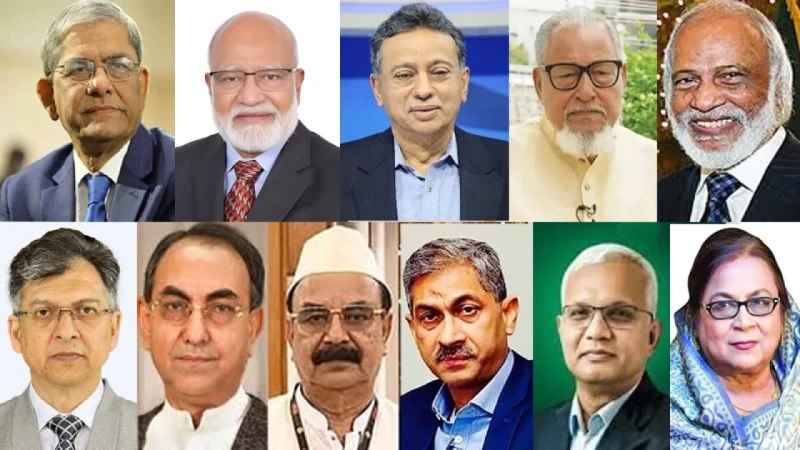
Many analysts believe that there will be a change in the presidency after the formation of the BNP government sworn in by Mr. Shahabuddin. There are also various discussions about who the new president will be.
Members of parliament were formally sworn in on Tuesday. The new speaker will then take office in the new parliament. If the president submits his resignation to the speaker, impeachment will not be necessary. Analysts believe that there will be no complications in this case since the president has already expressed his willingness to step down.
Analysts believe that the question of changing the president may come to the fore after the new government and members of parliament take office.
How the new president was elected
According to Article 50 of the Constitution of Bangladesh, the President shall hold office for a period of five years from the date of his assumption of office. No person shall hold the office of President more than twice.
Constitutional analyst Zahed Iqbal told BBC Bangla, “The office of the president can become vacant due to physical illness, mental reasons, or serious misconduct.”
The Election Commission organizes this election when the office of the President becomes vacant due to expiration of term, resignation, or impeachment.
According to the constitution, the president is elected by the votes of members of parliament. In this case, no one can become president unless they are under 35 years of age and are not eligible to be elected as a member of parliament.
Bangladesh once had a presidential system of government that allowed for direct elections for the president. However, that system was abolished after the return to a parliamentary system in 1991.
According to the existing constitution of Bangladesh, the country’s president is now elected by votes from members of parliament.
According to the rules, the Chief Election Commissioner or CEC of Bangladesh conducts the presidential election as the ‘election officer’. When the president is to hold an election, he or she discusses the election schedule with the Speaker and announces it.
Article 123 of the Constitution states that if the office of the President becomes vacant due to the expiration of his term, an election to fill the vacant office shall be held within ninety to sixty days preceding the date of expiration of the term.
Lawyer and constitutional analyst Kazi Zahed Iqbal told BBC Bangla, “In this case, two members of parliament will be needed. One will be the proposer and the other the supporter.”
If there is a single candidate for the presidency, voting is not required according to the provisions.
The voting for this election is held during the session of Parliament after the announcement of the schedule. However, if there is no session at the time required for the presidential election, the Election Commission, in consultation with the Speaker, will issue a notification calling for a session at least seven days before the voting.
The question of the balance of power between the President and the Prime Minister
Various questions have come to the fore at various times regarding the extent of the president’s power in the existing constitution of Bangladesh.
In this case, analysts believe that the president does not have much executive power. Therefore, many describe the position as ‘decorative’. However, the president can become important during political crises or elections.
The importance of the presidency increased after Sheikh Hasina fled Bangladesh to India in the face of a mass uprising, because when parliament is dissolved, the president remains the sole constitutional authority in the system of governance.
Article 48 of the Constitution clearly mentions two powers of the President. According to this article, the President can appoint the Prime Minister and the Chief Justice.
The law states that the president does not need to consult anyone when appointing the prime minister and chief justice. However, political and constitutional analysts believe that these issues have not been widely practiced in Bangladesh in the past.
The July Charter was prepared after a series of discussions by the Interim Government’s Consensus Commission on State Reform.
Among the reform proposals that have been paved for implementation by the ‘yes’ vote in the referendum, one important proposal is that the exclusive power of the Prime Minister will be somewhat reduced while the power of the President will be increased in some areas.
According to the existing constitution, the president has to work on the advice of the prime minister. However, if the July Charter proposal is implemented, the president will be able to appoint the Human Rights Commission, Information Commission, Press Council, Law Commission, Governor of Bangladesh Bank and Energy Regulatory Commission under his own authority without anyone’s advice or recommendation.
Lawyer Kazi Zahed Iqbal told BBC Bangla, “The July Charter’s provisions on increasing the powers of the president or creating a balance of power between the president and the prime minister require the constitution to be amended first.”
According to him, the issue of amending the constitution and implementing the July Charter is still a matter of time. Until then, the balance of power will not be assured.
It is not yet confirmed when the first session of the National Assembly will begin after the members of parliament are sworn in. Analysts believe that the possibility of a change in the presidency before that session begins is very low.