February 4, 2026, 12:44 am


Transparency International Bangladesh (TIB) has reported that incidents of political violence across the country have increased at an alarming rate in 2025. The organization’s report said that at least 102 people were killed in a total of 401 political violence incidents across the country last year. At the same time, 1,333 weapons went missing.
The report also mentioned that at least 15 political leaders and activists were murdered in the country within 36 days of the announcement of the schedule for the 13th parliamentary elections.
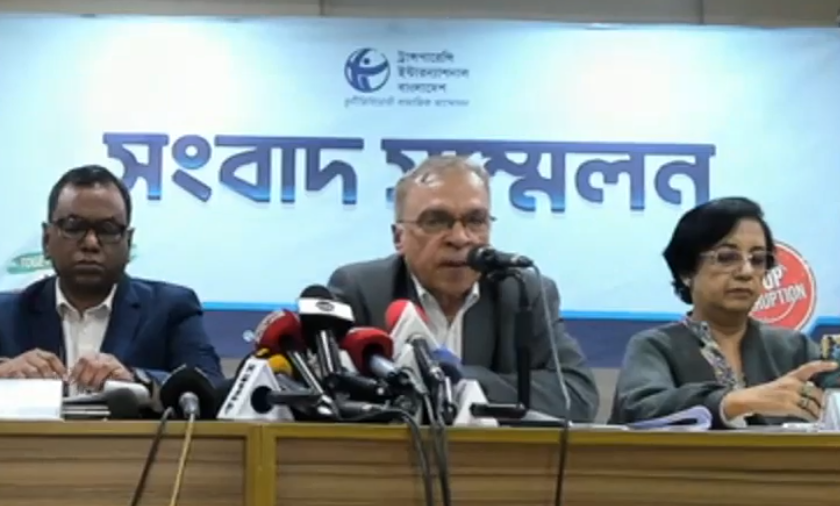
All this information was presented at the release of a research report titled ‘One and a Half Years After the Fall of Authoritarianism: Expectations and Achievements’ at the TIB conference room in Dhanmondi, Dhaka, today (Monday).
The report said that the risk of violence is likely to increase due to the large number of weapons looted from police stations not being recovered and the new issuance of weapons licenses to political figures. As only 9 to 10 percent of the total manpower responsible for the election is police, there is a major shortfall in ensuring overall security.
There have been more than 50 attacks on minorities in 2025, raising concerns about the electoral environment. At the same time, the threat of deepfakes and the spread of misinformation has also been cited as a major challenge.
The report also raises questions about the impartiality of the field administration. In particular, it mentions the exclusion of officials who served in the last three elections, the partisanship of advisors, and doubts and disagreements among political parties over maintaining the impartiality of the administration. There are questions about ensuring a ‘level playing field’ for political parties like Jamaat, NCP, and Islami Andolan.
In addition, at least 27 writ petitions have been filed in the High Court regarding the re-demarcation of 46 constituencies. The report also said that about 12,531 government primary schools are unfit to be used as polling stations.
The report found that many of the 73 observation organizations initially selected by the Election Commission were ‘no-name’ or incompetent.
There are allegations of bias against the Election Commission by political parties in the process of vetting candidates, cancelling candidacies on the grounds of loan default and dual citizenship. At the same time, there are also shortcomings in the ability and use of information submitted in affidavits.
TIB’s election observation said that every major political party has been accused of violating the electoral code of conduct. Although action has been taken in some cases, the Election Commission lacks a strong position to effectively implement the code of conduct.
The report’s findings highlight the need for major technological, legal, and procedural reforms in both elections and referendums. Security risks and the potential for the spread of misinformation or misinformation through the use of artificial intelligence are identified as major challenges.